News
Storks in Kénitra07/09/2026
Mustapha Abidi - Guardian of the Storks
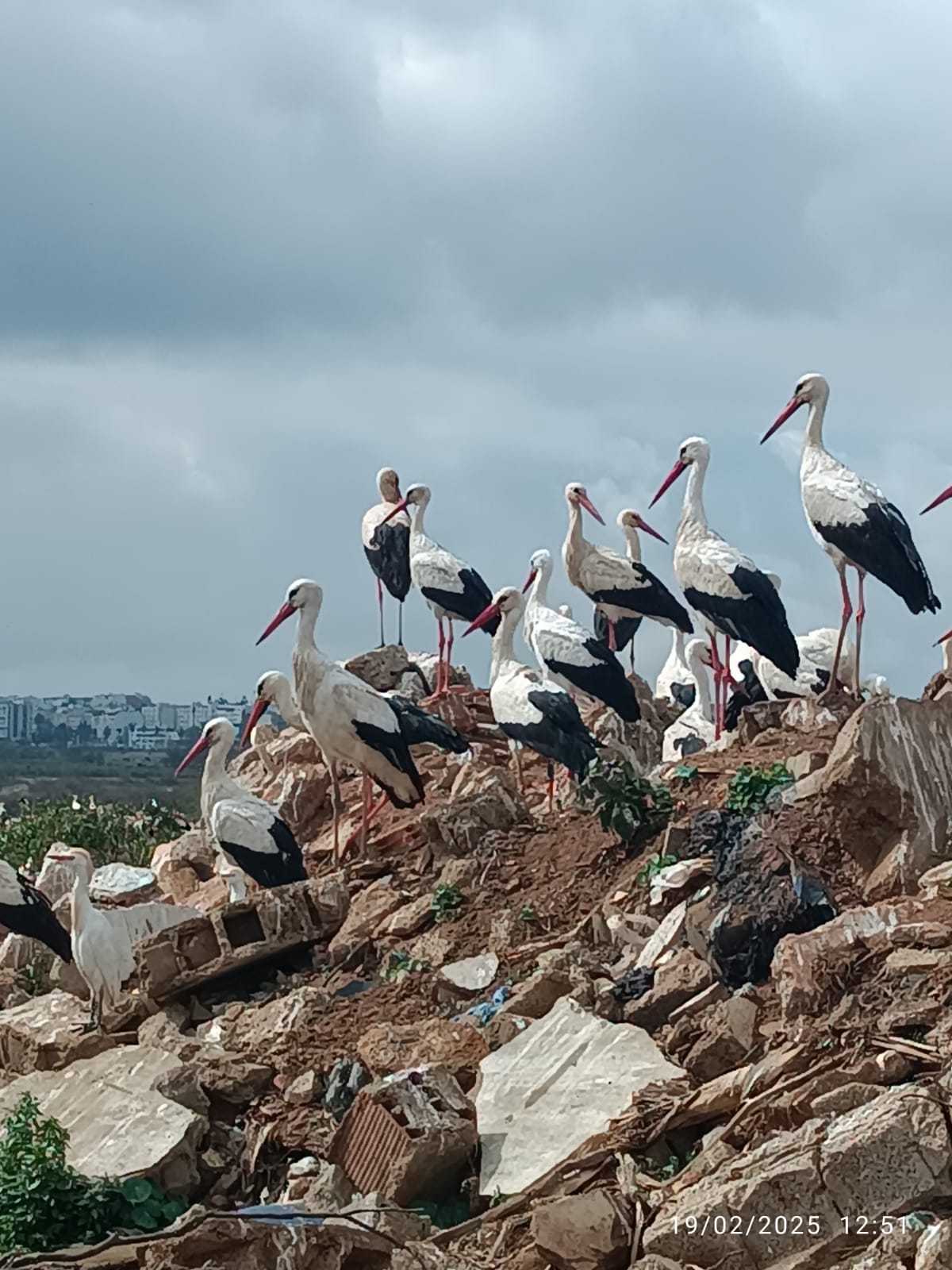
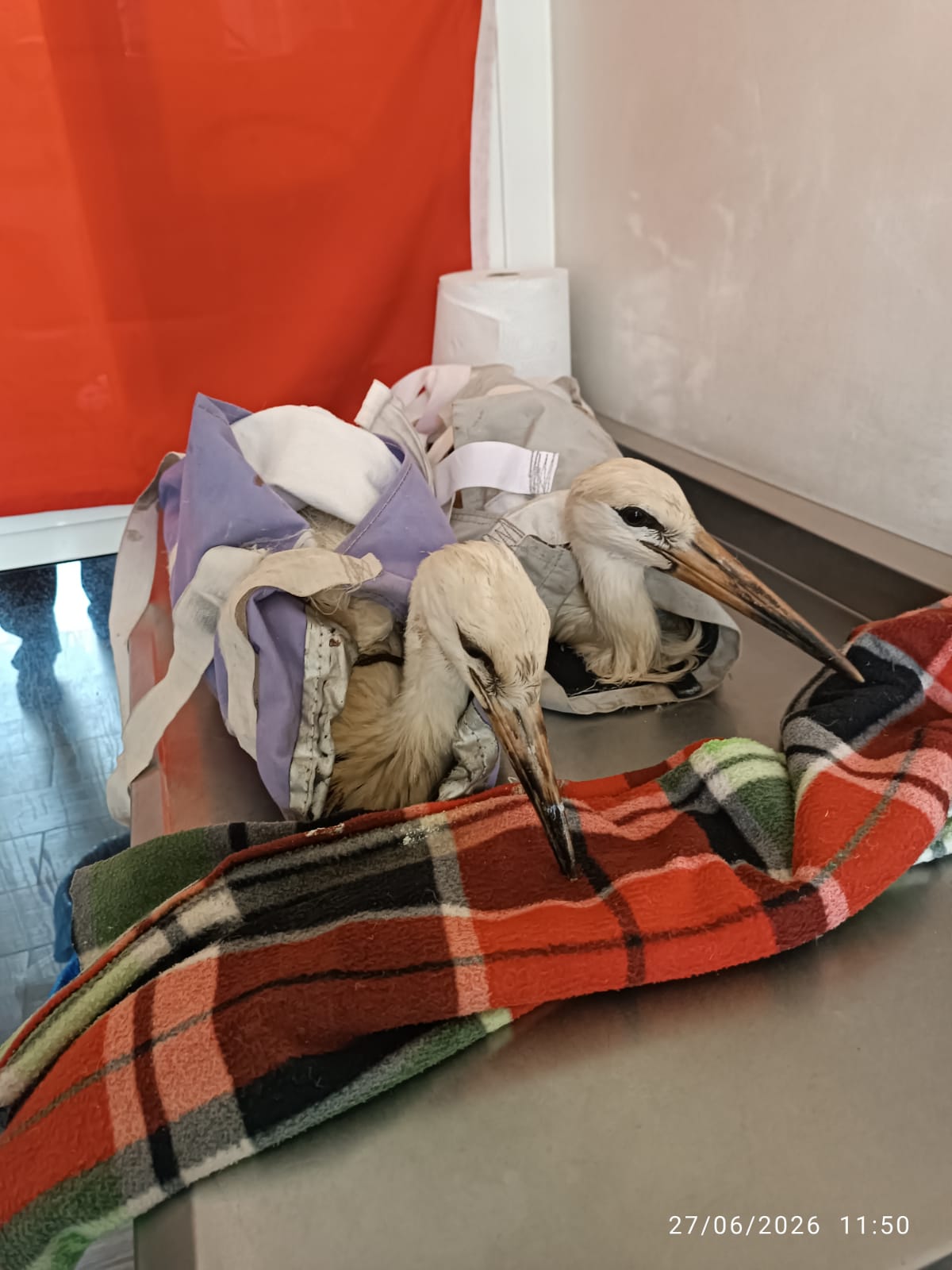
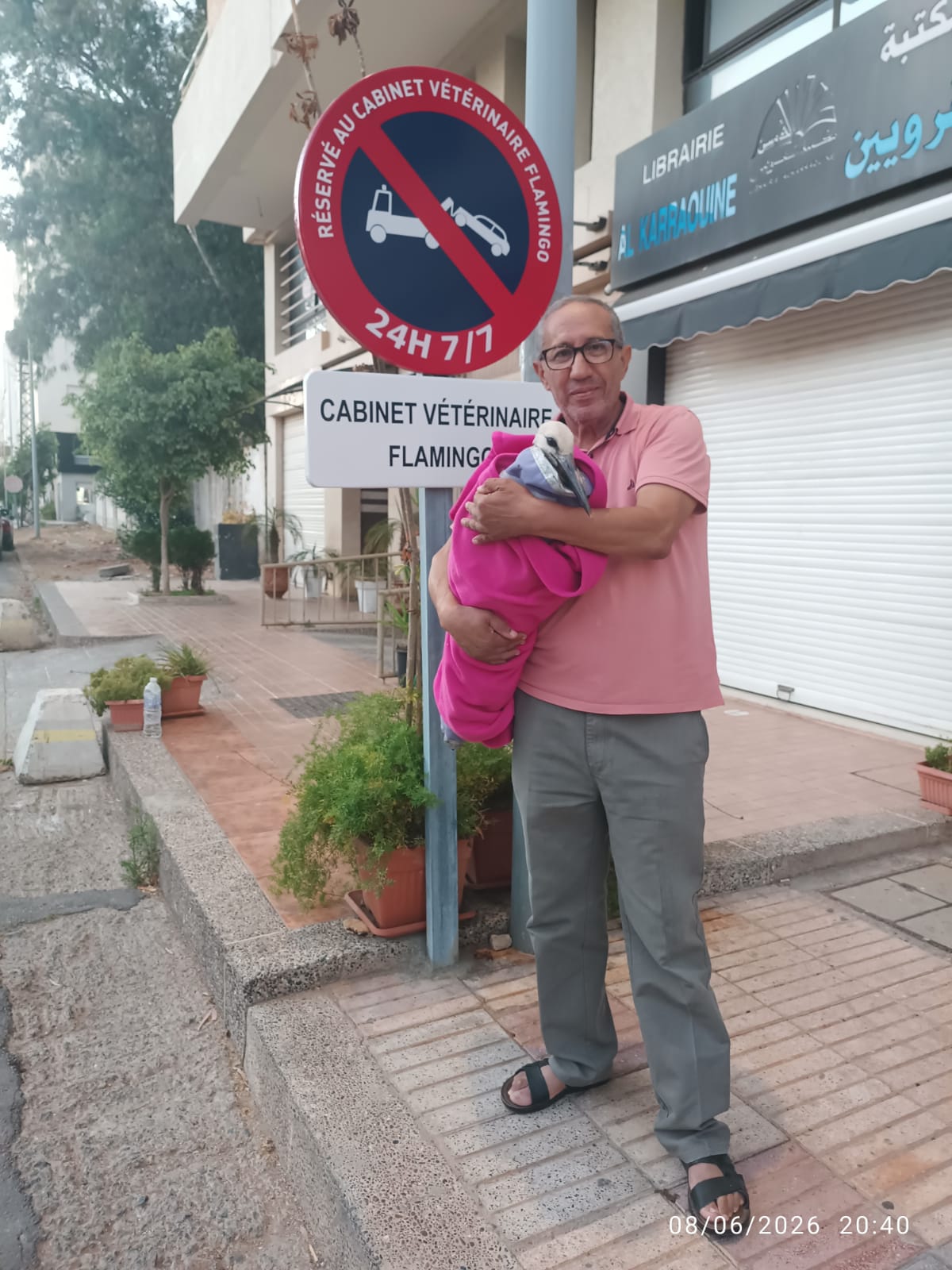
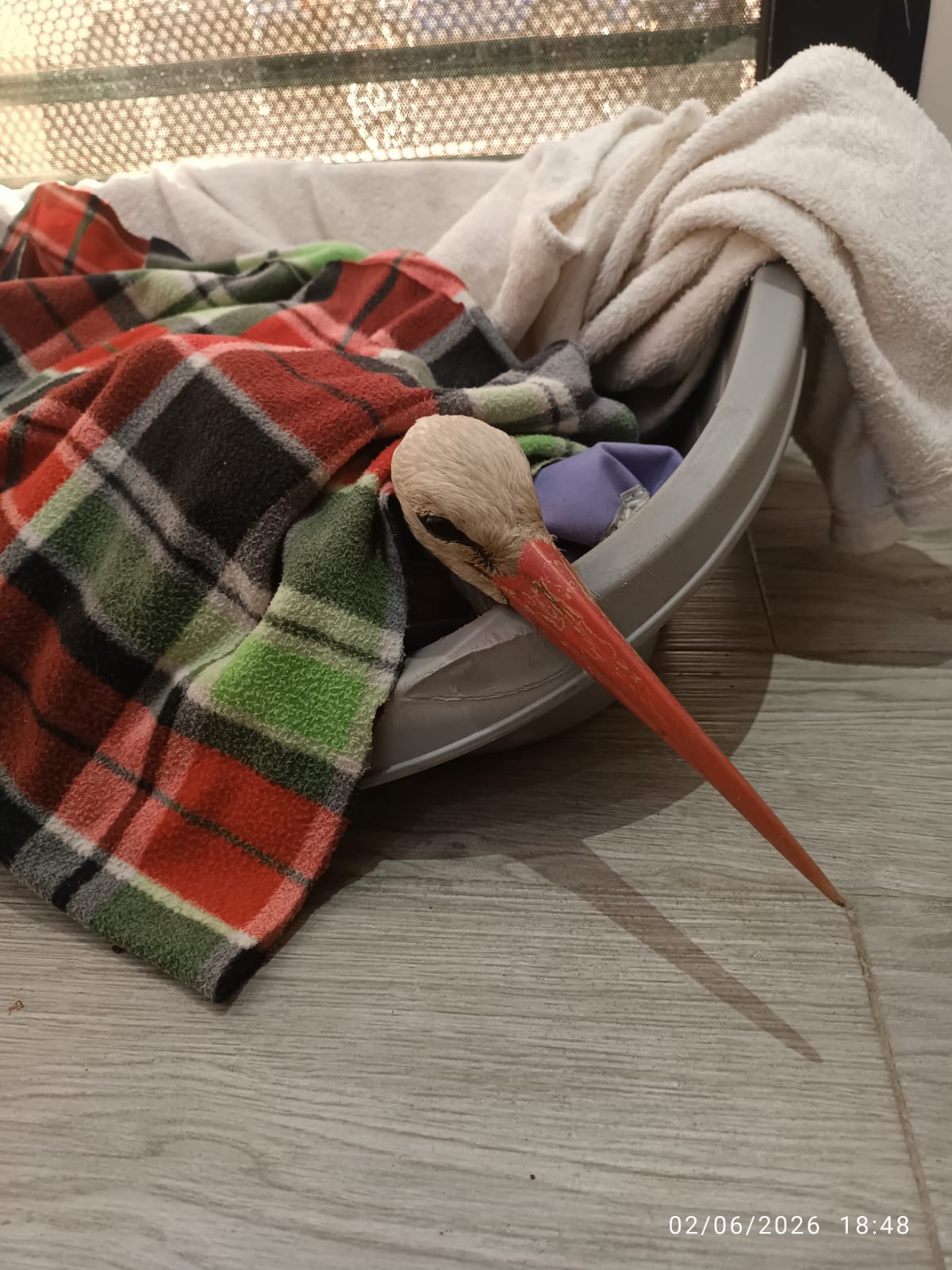
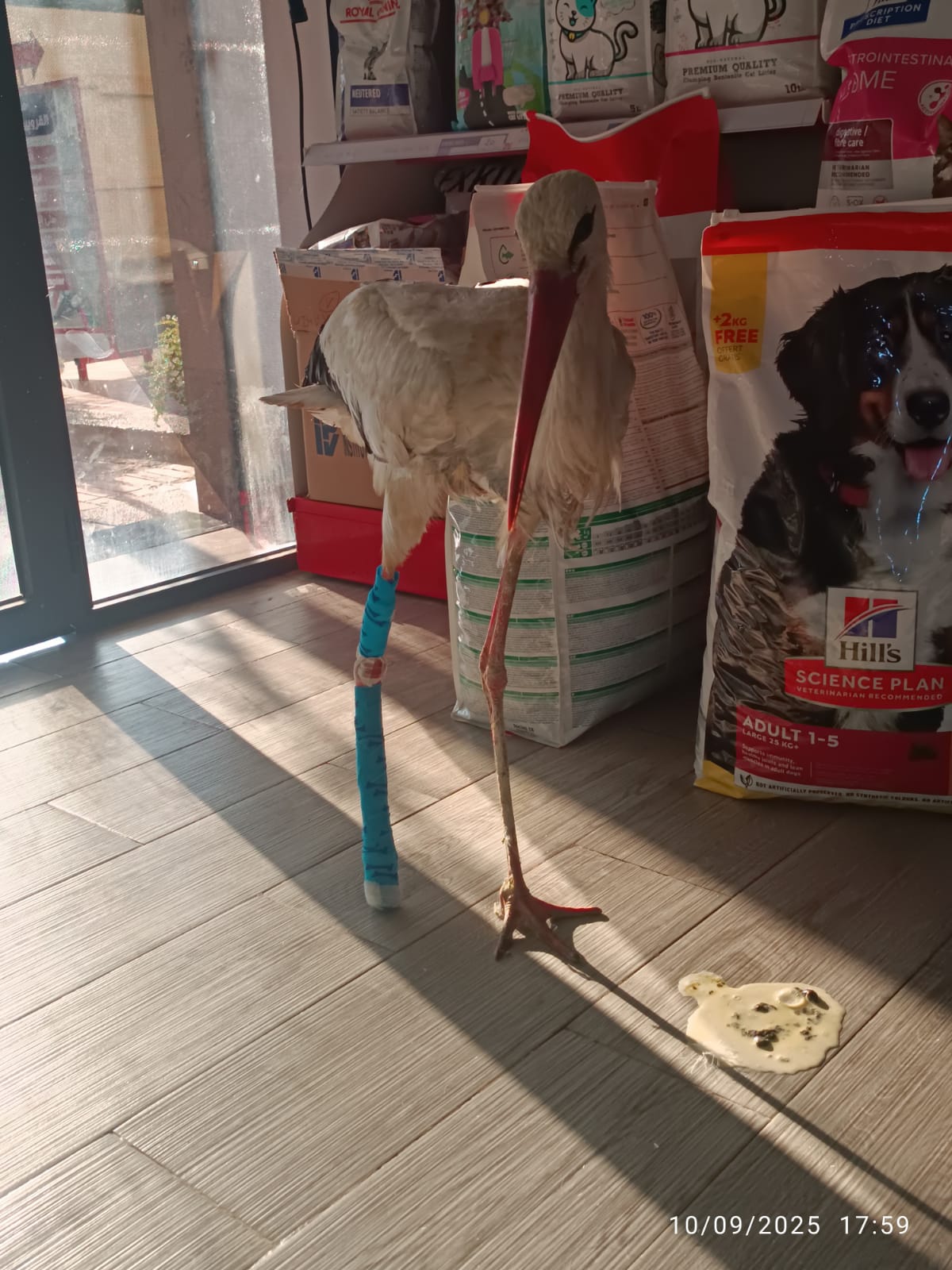
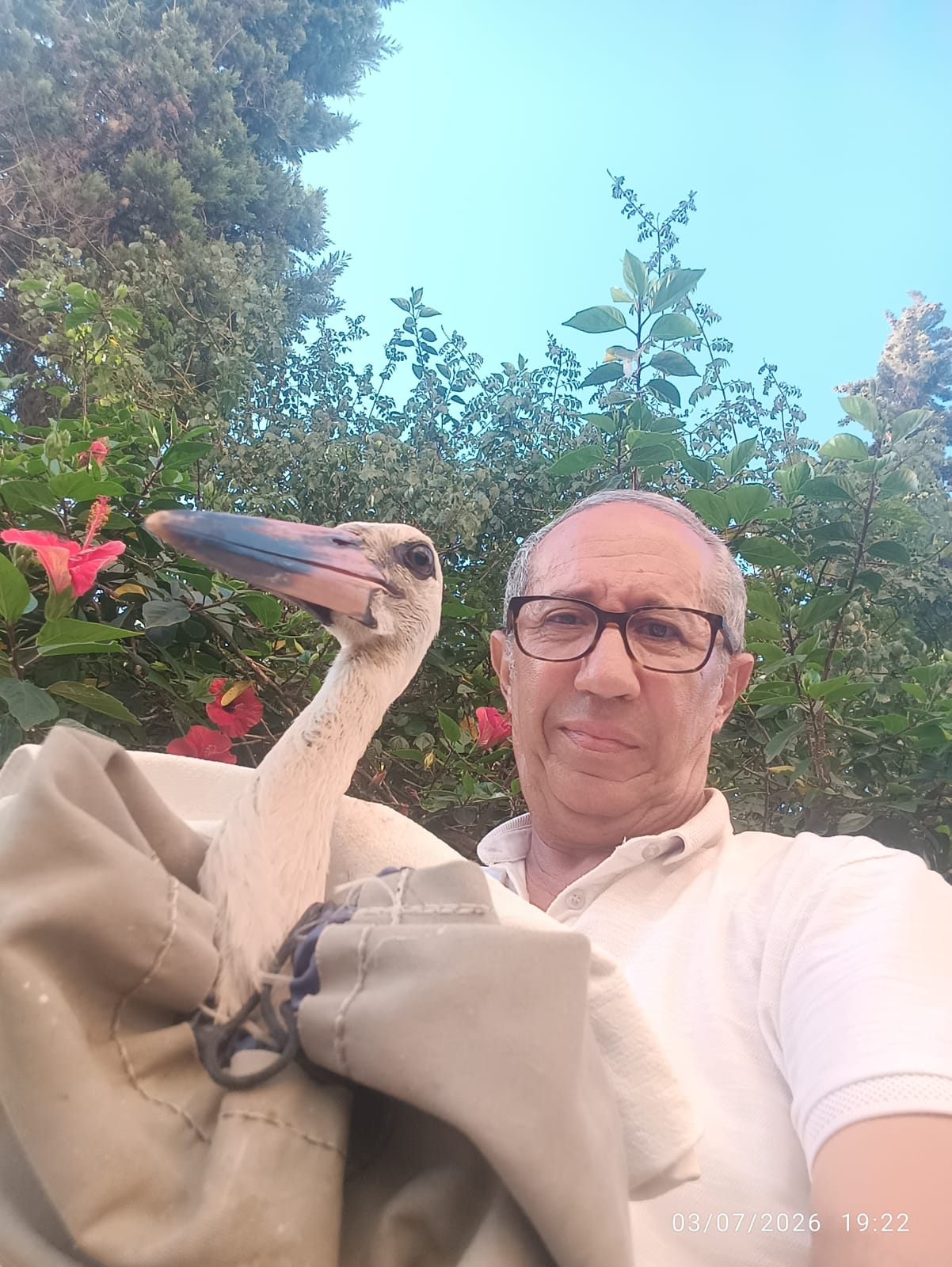
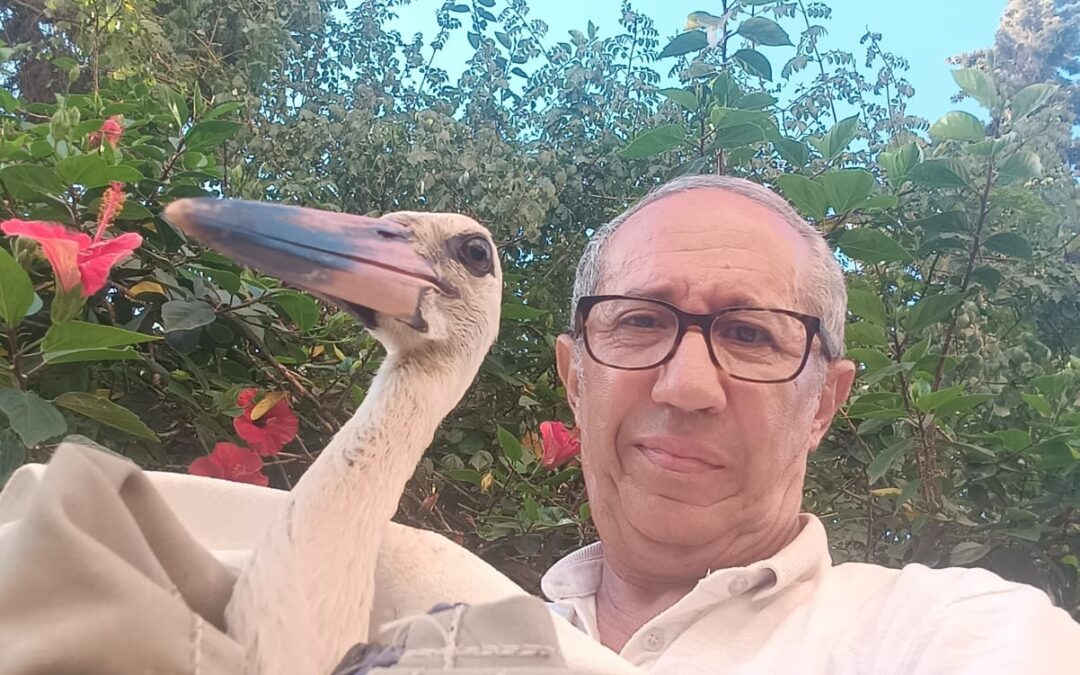
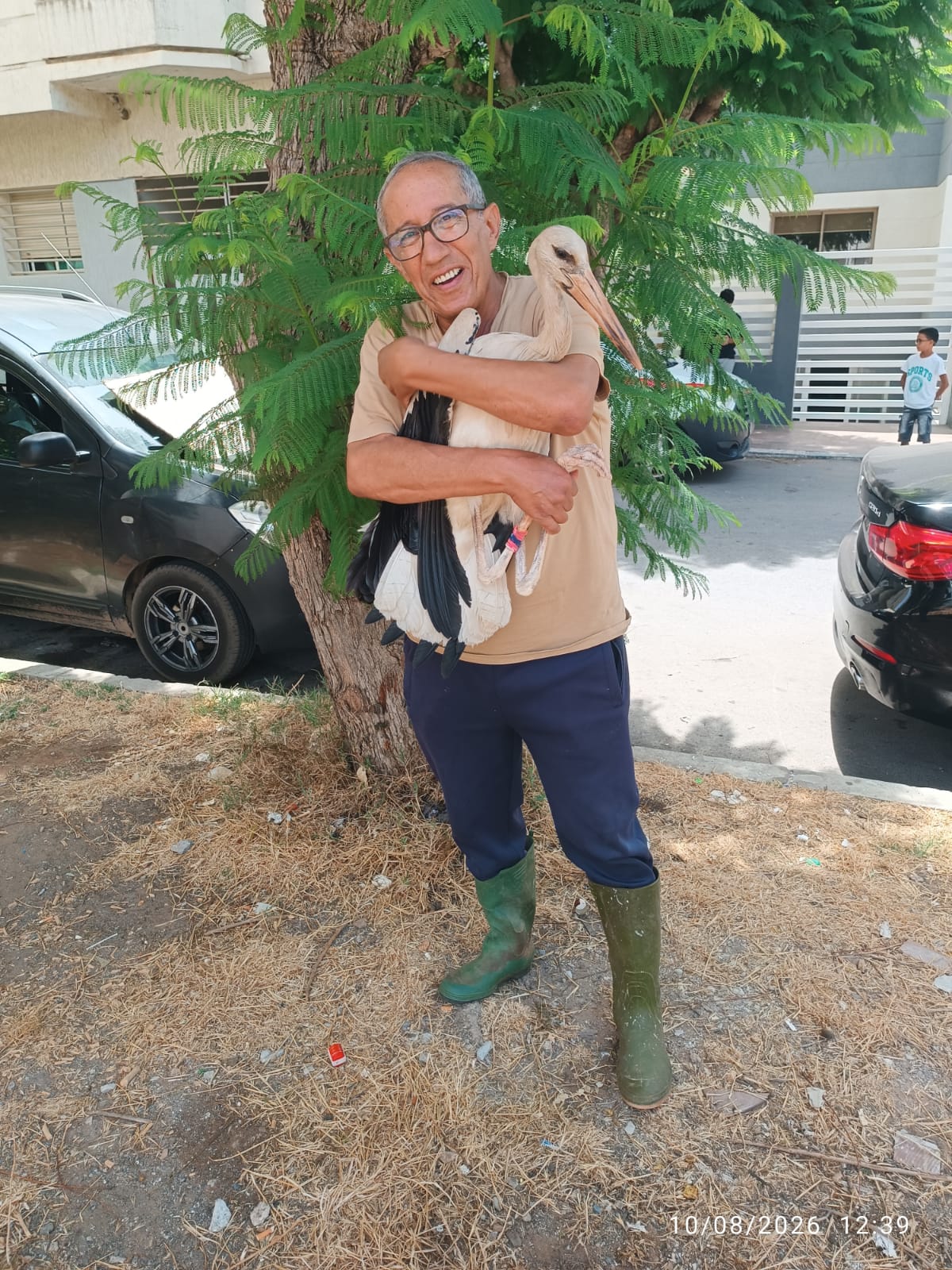
Some of the White Stork Project team met Mustapha out in Morocco back in January 2025 after speaking with him online over the course of a couple of years. His story is remarkable. Retired vet and dedicated birder, he spends his free time investigating the landfill site of Kénitra and the surrounding areas, recording observations from storks and treating birds when they get into trouble. The trip was inspirational.
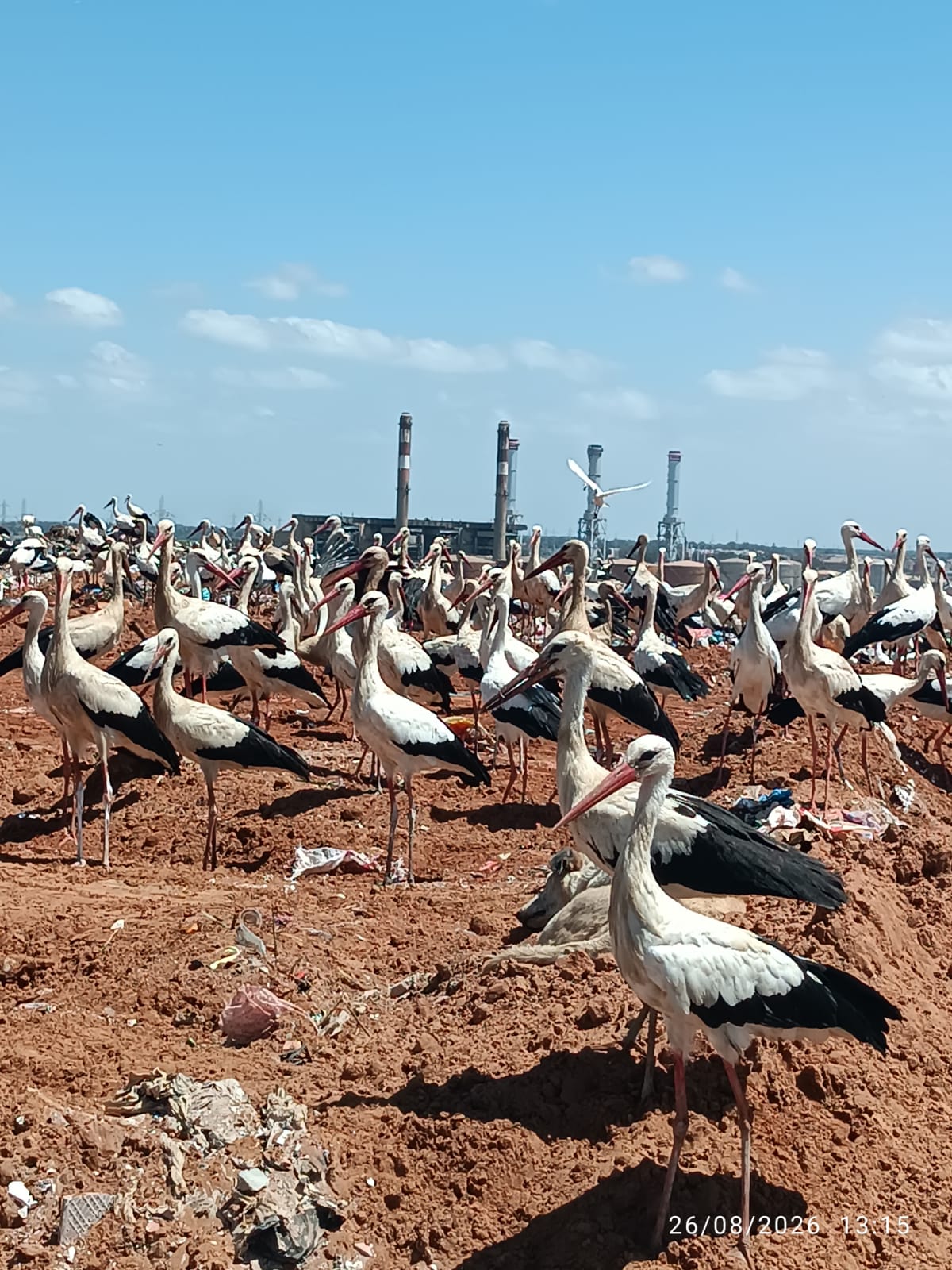
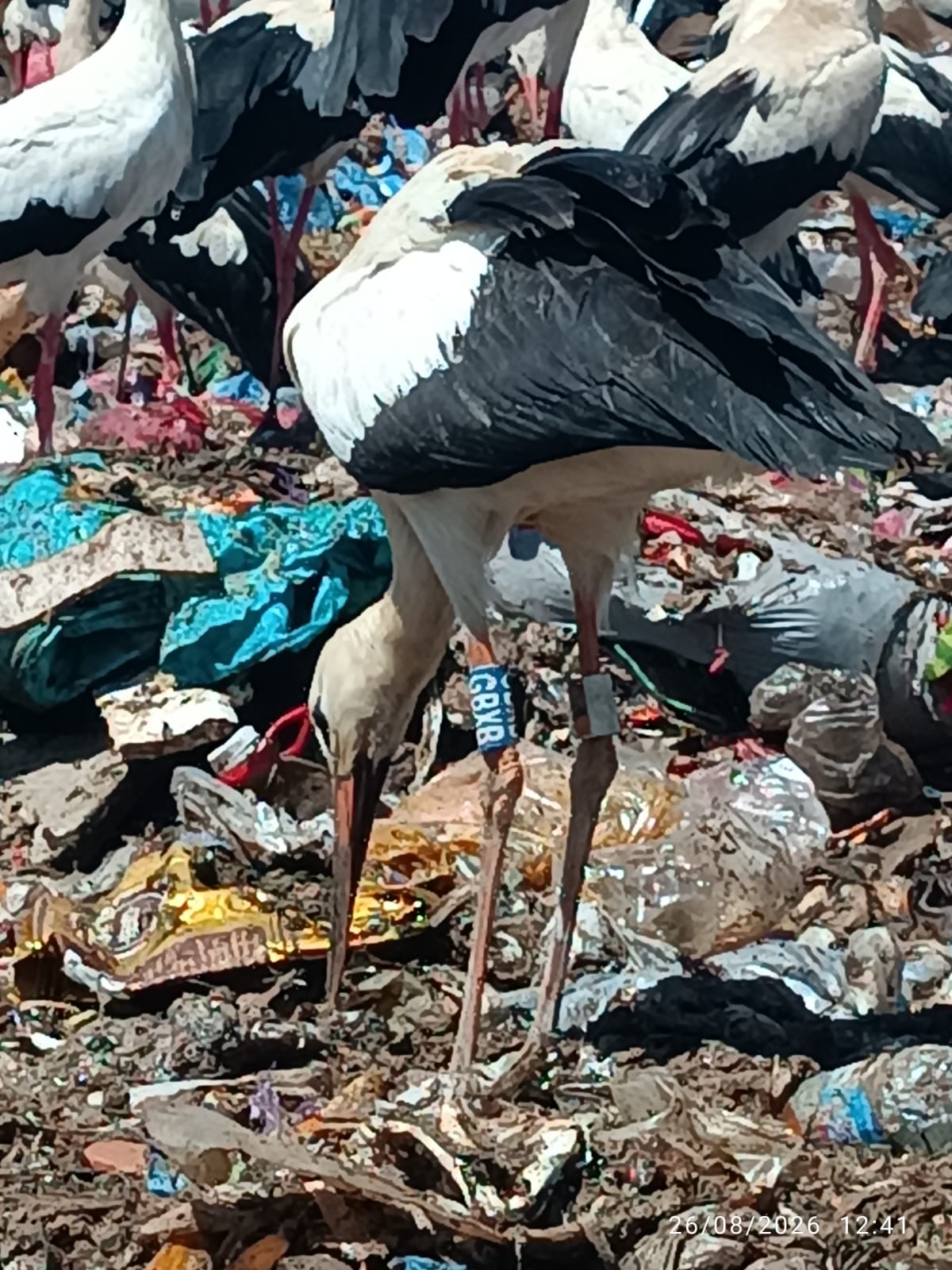
Project storks find their way to in Kénitra each year and Mustapha has photographed dozens of them over the last few years. His dedication to recording birds on the landfill has helped us to learn more about these birds movement and behaviour. He reports on birds from countries across western Europe.
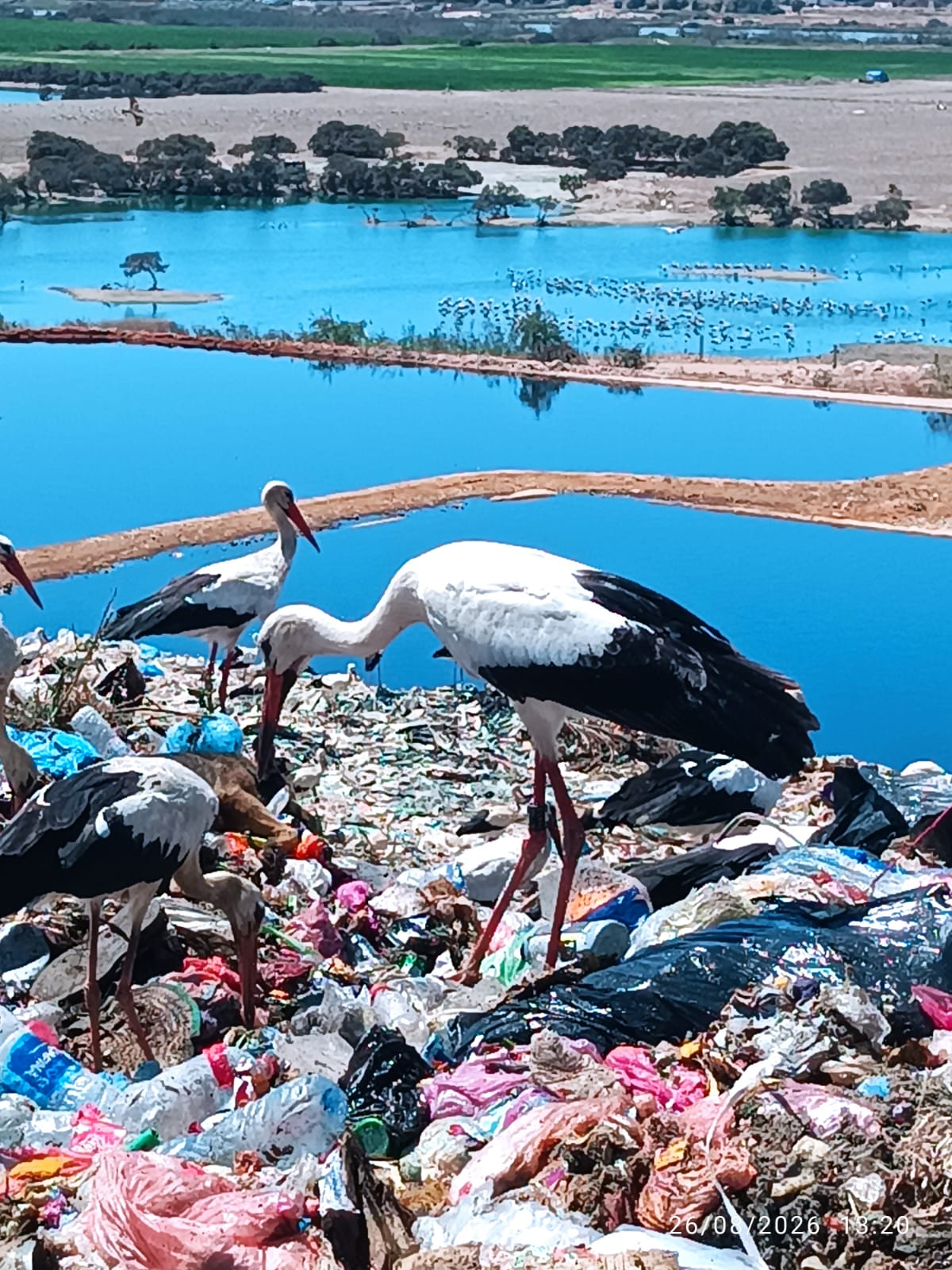
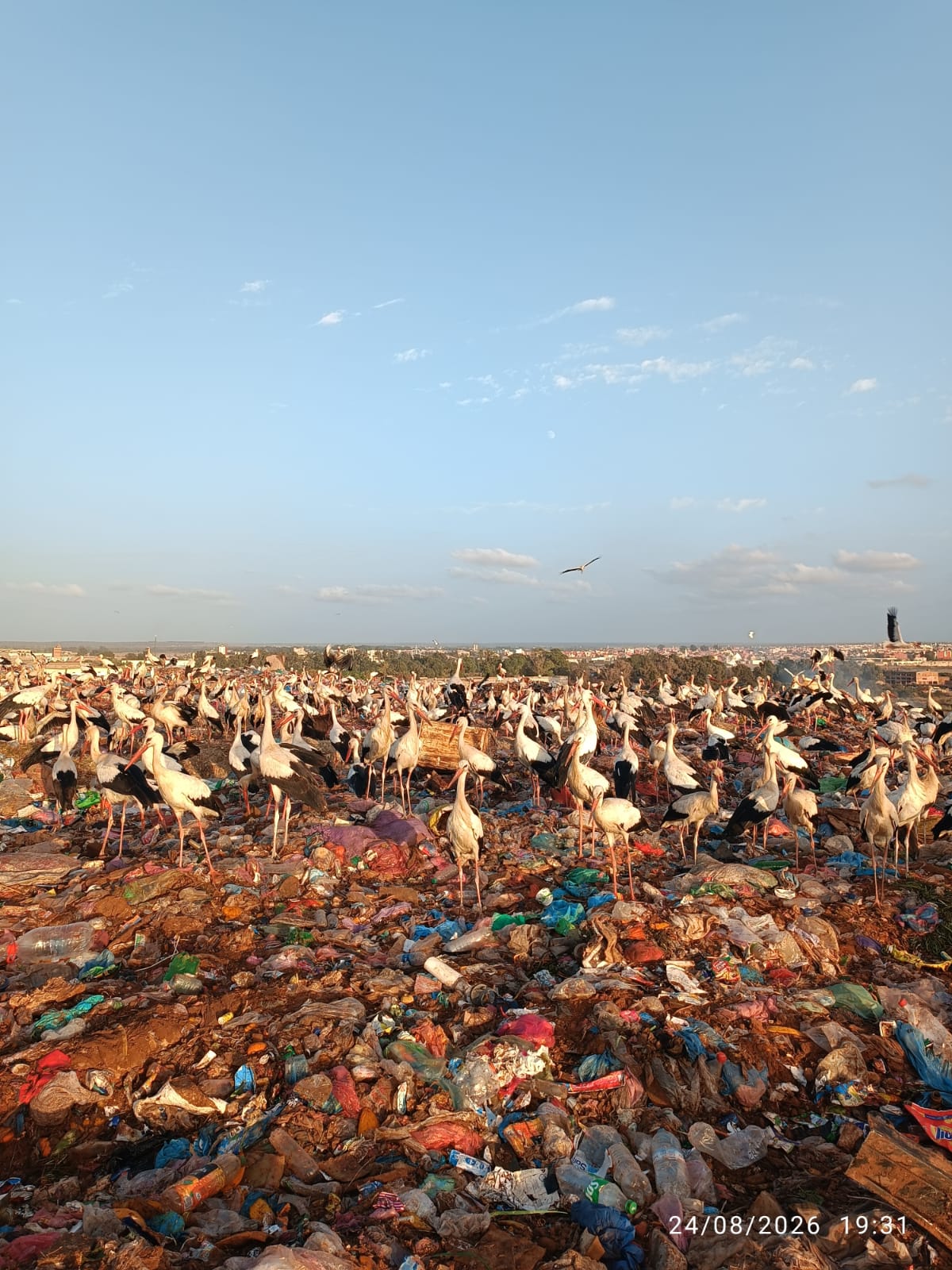
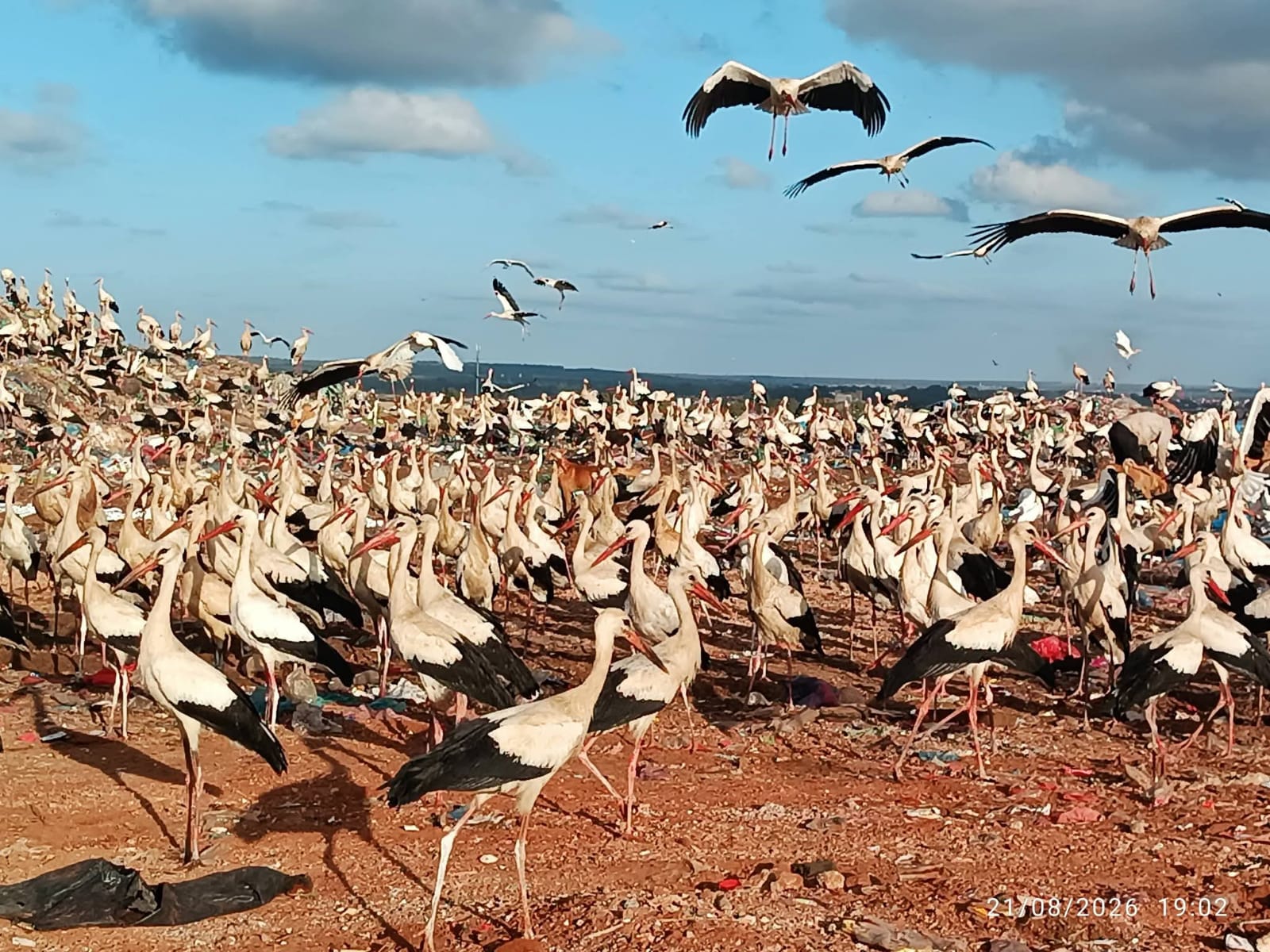
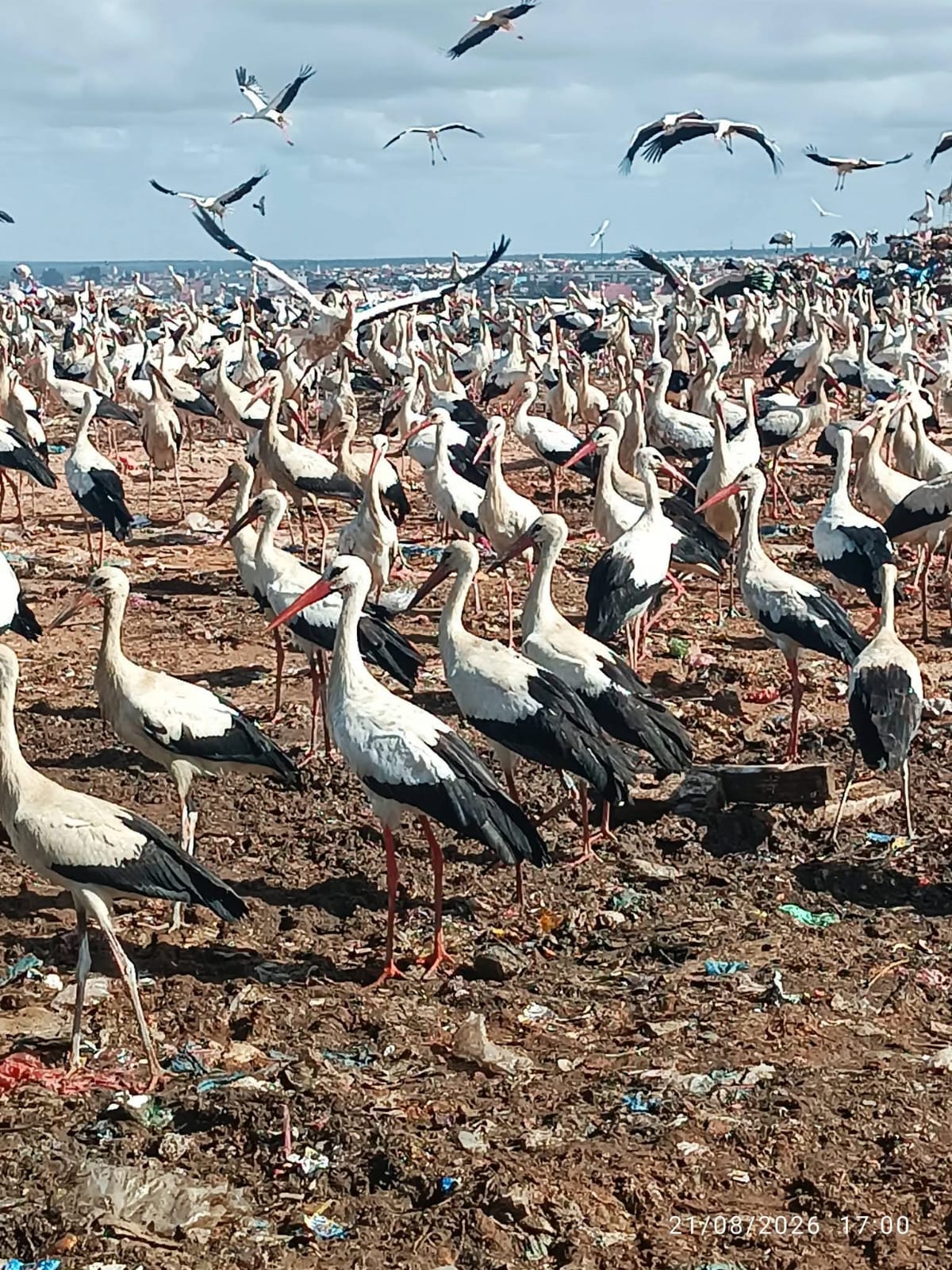
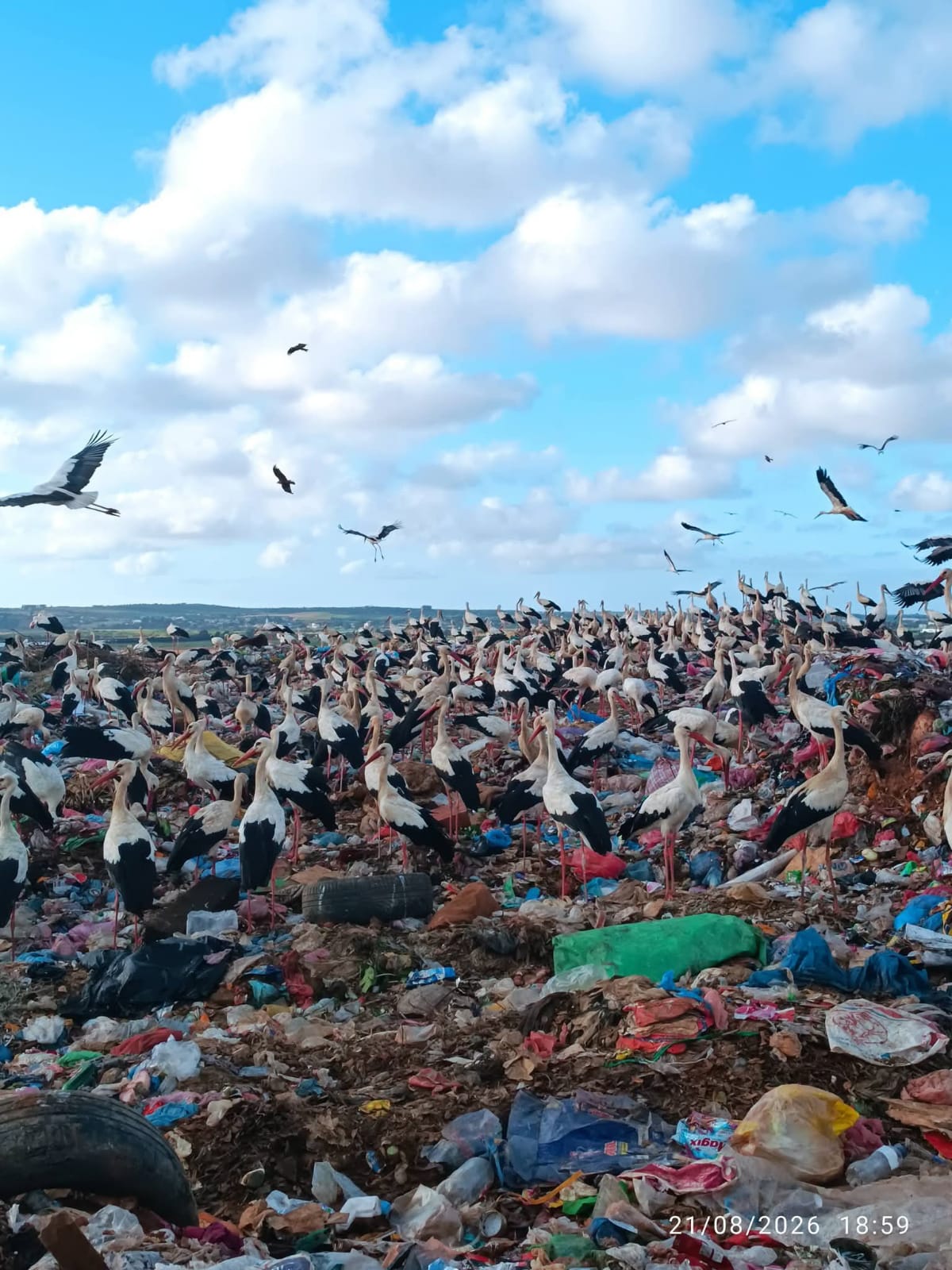
The landfill at Kénitra where storks spend some time overwintering poses obvious risks like elastic bands ingestion and storks getting tangled in string. However, as Mustapha says, it also provides a vital and predictable food resource that enables thousands of storks to survive and build up the reserves they need for their migration. As he puts it:
'It is the whole synergy of our ecosystem in Kénitra that makes this stopover work: the feeding area (the landfill), together with the nearby wetlands and open spaces where they come to drink, wash and rest in safety.'
Find out more about this unique environment by reading Mustapha's own words below, and check out our socials for more of his photos.
The Storks of Kénitra - Mustapha Abidi
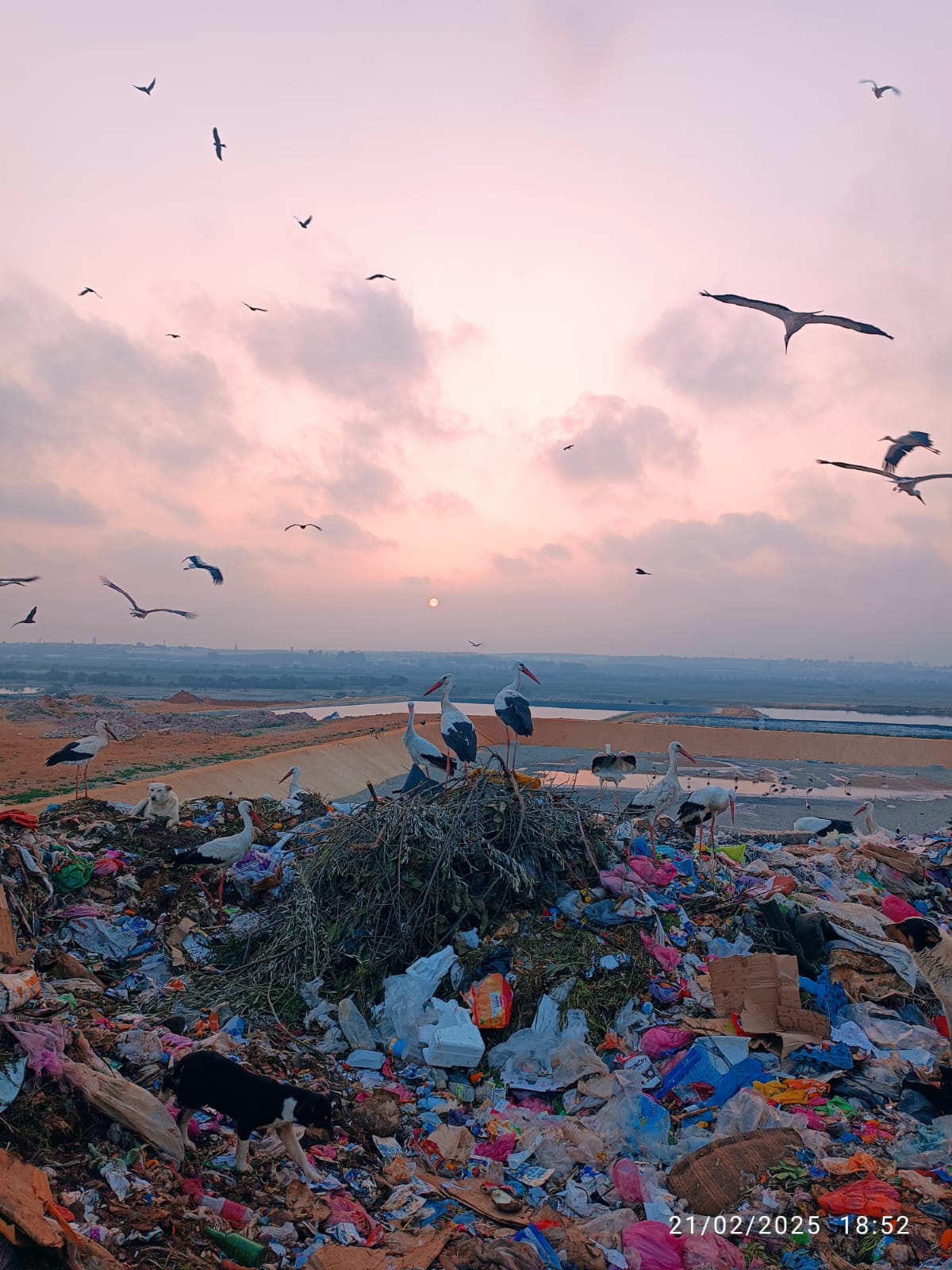
At the heart of this waste disposal center, the wild beauty of the birds clashes with the harshness of a world in perpetual motion. Above us, the sky is filled with the snapping of storks' beaks and the shrill cries of seagulls fighting over the remains. On the ground, this aerial concert mingles with the incessant hubbub of men, women and children who bravely work in the middle of the rubbish, tirelessly sorting and collecting every plastic bottle, packaging and recyclable metal debris.
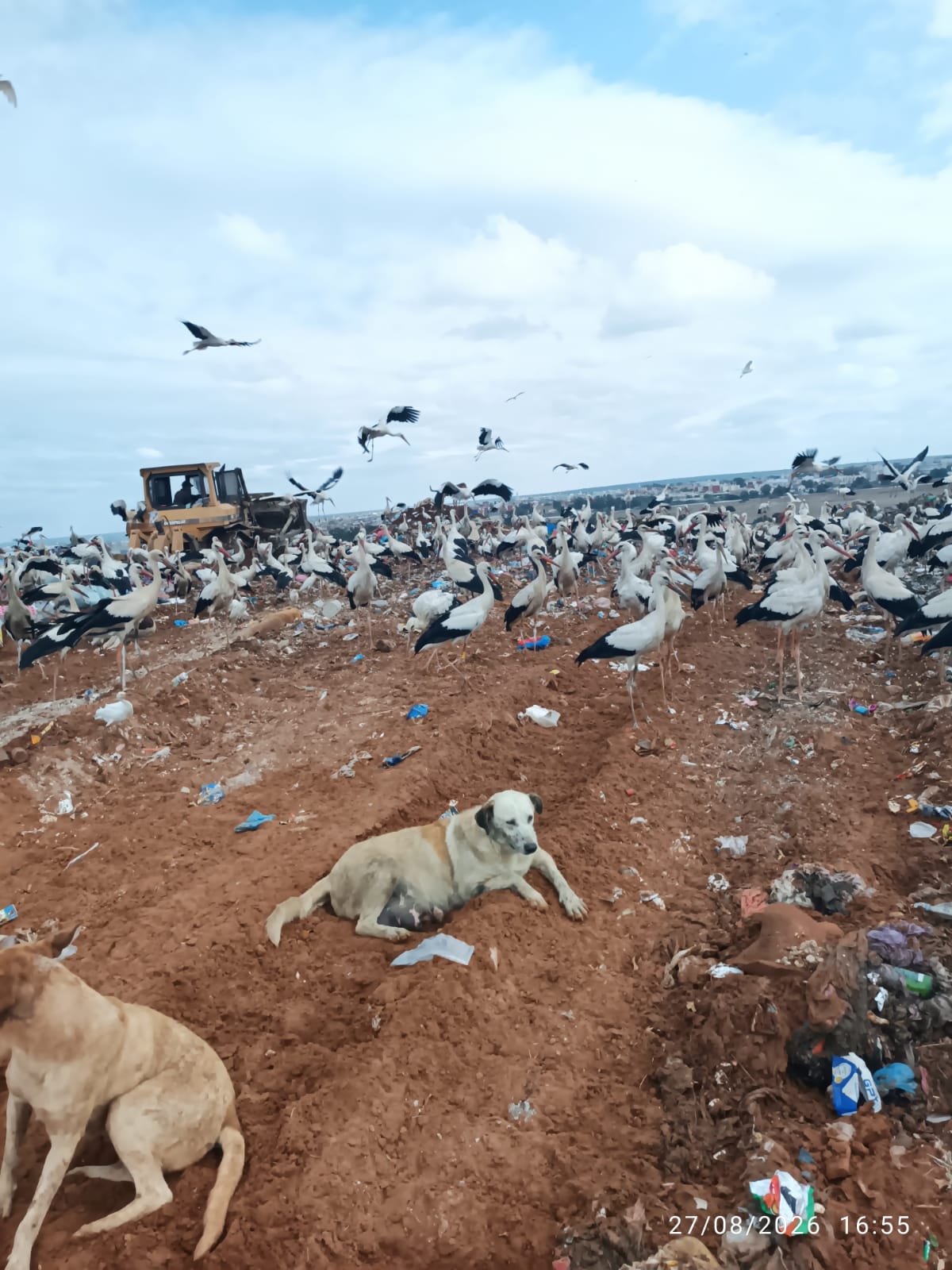
In a deafening mechanical din, the heckling of garbage trucks unloading their cargo responds to the muffled rumblings of cranes and landfill machines that move mountains of waste. And to complete this surreal picture, flocks of sheep and goats weave through the chaos, creating untimely and unpredictable movements as they desperately search for any plant matter or vegetable scraps to graze. An improbable choreography where survival, human, animal and mechanical, is played out in total tumult.
In this setting of survival, another community dictates its law: that of stray dogs. They too have taken over the place like masters, evolving in organized groups in search of food.
The viewer can observe the contrast in their attitudes: some, in perpetual motion, survey the site with their eyes glued to the ground not only for themselves, but also to actively search for something to feed their litters, dozens of puppies hidden in burrows and improvised shelters in the four corners of the site. While others, with their bellies finally full, take a well-deserved nap, curled up in the shadows they have carefully chosen.
Sometimes, a single file forms; We watch them walk away with a regular step before disappearing into the distance, while on the other hand, other silhouettes seem to be running to join the heart of the pack.
Their habitual presence testifies to a surprising friendliness, an unspoken harmony that proves that they have learned to live together in peace in this hostile environment. This is how a strikingly beautiful spectacle is offered on a daily basis: when a dog or a herd advances through the site, a real guard of honour is formed in their path. As if to roll out a red carpet for them, the crowd of storks calmly moves away from one side to the other, from one side to the next. The noble canines continue their way with a confident step in the middle of this winged procession that closes peacefully behind them.
But this tranquility remains fragile. All it takes is the arrival of an intruder, a dog foreign to the herd and the place, for the balance to break instantly. Violent attacks and chases then follow in a wild burst of energy, and an explosion of furious barking immediately covers the site, erasing for a moment all other sounds of the dump.
The lynching of the intruder on the ground is spectacular. The pack pounces on him in a chaos of fangs and dust, leaving him no respite. However, against all odds and far from admitting defeat, the victim gathers his last strength; despite its visible injuries, the animal manages to extricate itself from the fray and leave the scene in a hurry, leaving the horde behind it to gradually regain possession of its territory.
In the midst of this sudden fury, the storks in the immediate vicinity of the stage have no choice but to flap their wings to avoid the uproar. However, no general panic grips the group. Perfectly accustomed to these explosions of violence that are unleashed without warning, the large birds do not panic.
They are content to change places with a remarkable economy of movement: simple jumps in the air, wings outstretched, or short helicopter flights are enough for them to rise vertically and rest, with Olympian calm, just a little further.
Writing and all photos by Mustapha Abidi