News
Red kites and white storksThe battle for the skies over Knepp
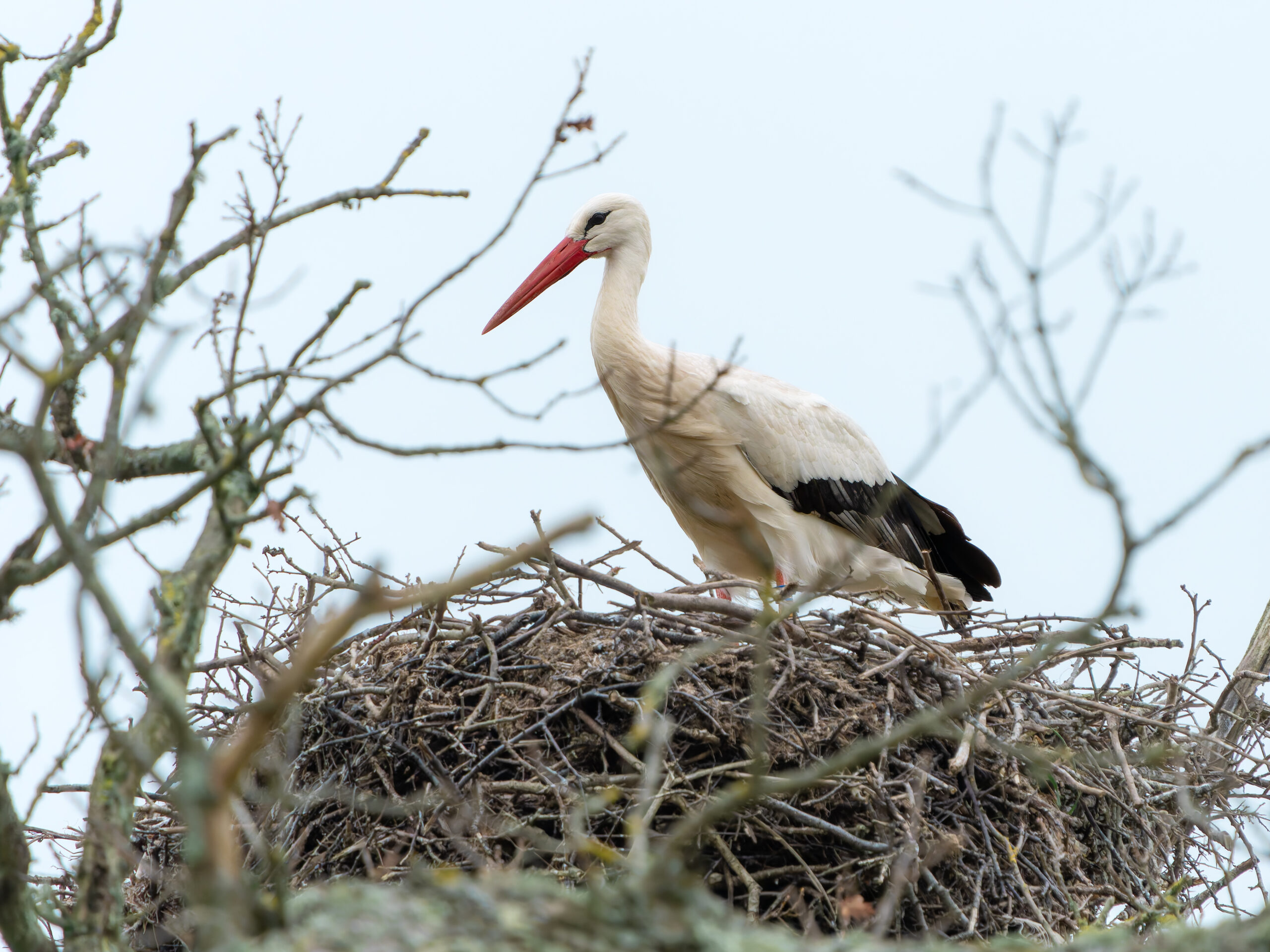
It’s been about six centuries since white storks and red kites have encountered one another in the UK. It’s a thrilling interaction to watch the storks’ deep instinct to act together, defensively, to protect their chicks. It’s a stunning example of the effectiveness of a species living in a social colony.
It has taken a few years for these encounters to begin. The first white storks were introduced to Knepp from Poland, having been cared for at Cotswold Wildlife Park, in 2016. Four years later, the first wild chicks fledged. Since then, their numbers have been growing. Last year, there were 19 active nests at Knepp, from which 45 chicks fledged.
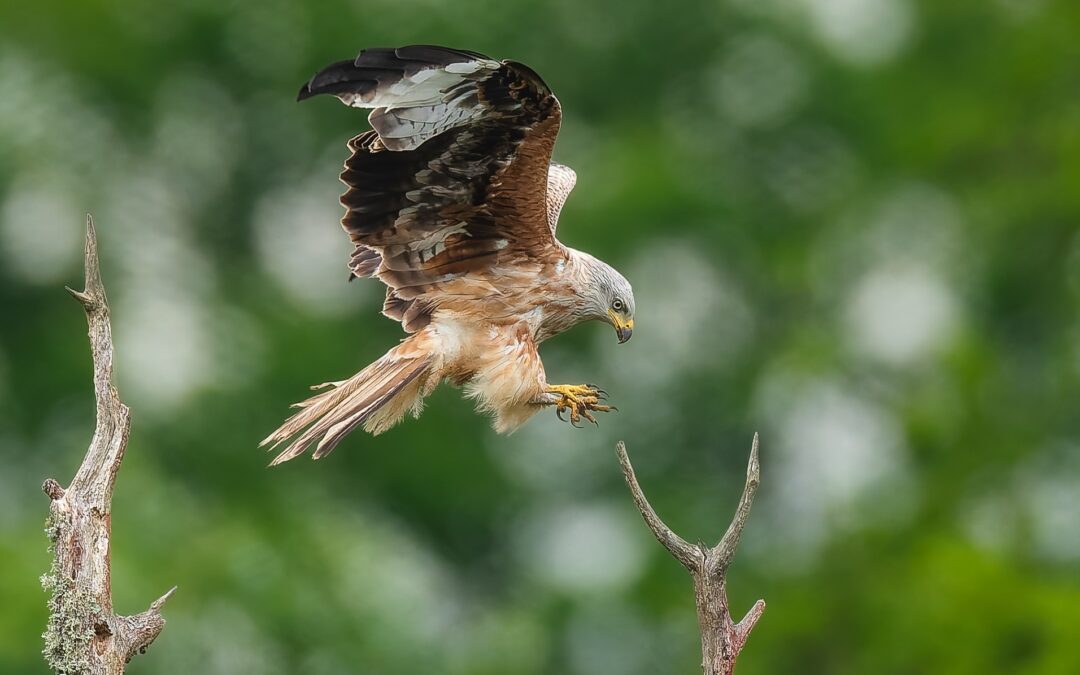
Red kites have had their own reintroduction success story. By the late 1800s there were only a handful of them left. But there are now 4,400 breeding pairs in the UK (2024 data), three decades after the RSPB and Natural England reintroduced 13 birds to the Chiltern Hills – two from Wales and 11 from Spain.
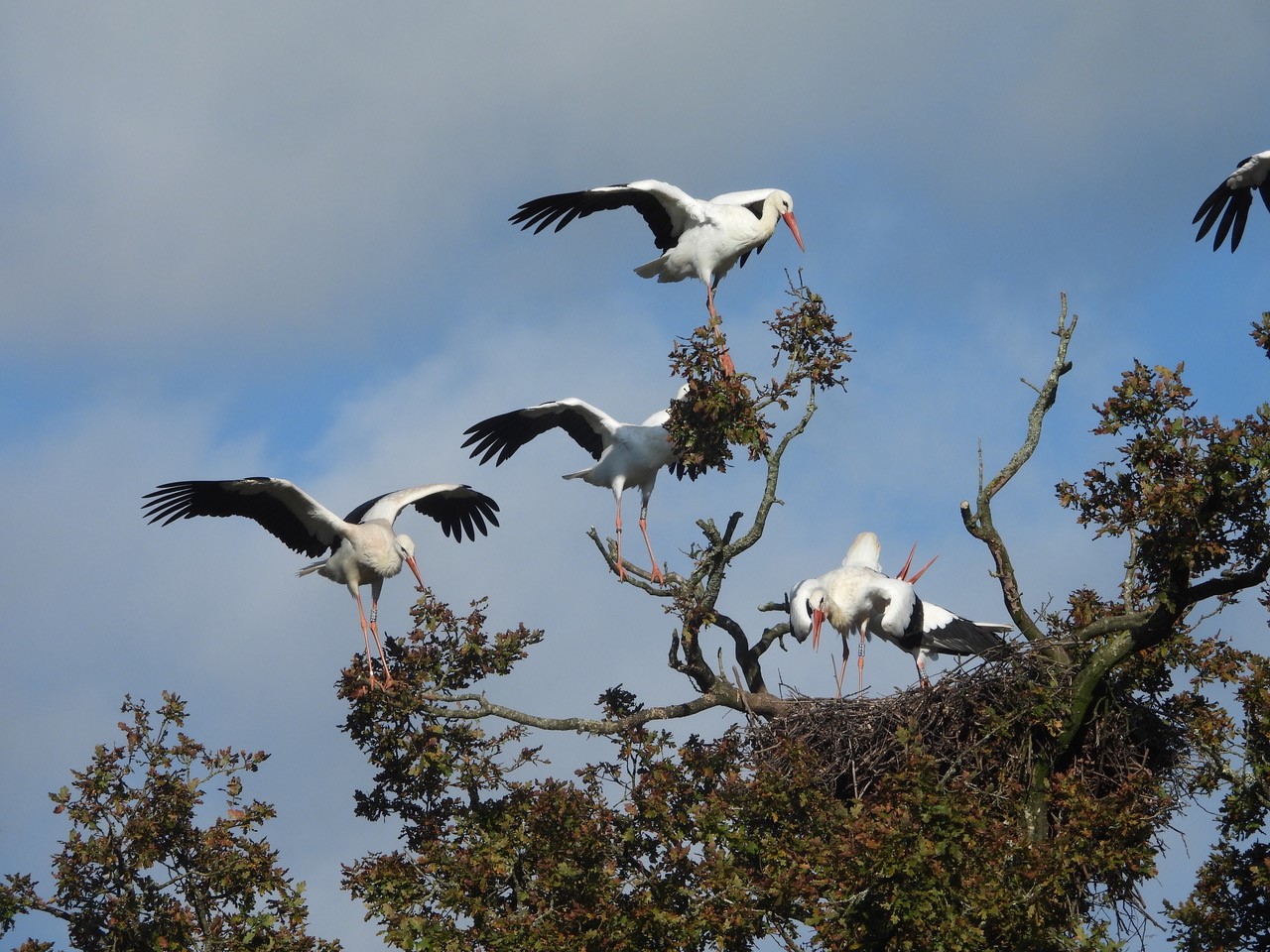
Last summer, for the first time, we saw kites snatch a stork chick. But what’s remarkable is how quickly the white storks adapted to the new threat. A couple of days later volunteers observed kites attempting again to dive-bomb a nest and the storks responded swiftly and adroitly as a colony. Twenty-five of them rose up to meet the kites and successfully chased them off.
At Knepp we often see more than a dozen red kites circling together. Many are attracted by the supplementary food we provide for our non-flying storks in the stork pen. To our modern eyes this can seem ‘too many’. But we’ve grown used to the UK’s empty skies. What we’re experiencing is ‘shifting baseline syndrome’ – where a depleted environment becomes the new normal.
In the time of Shakespeare, red kites were a common sight. They were seen in huge numbers, even in cities, where they acted as ‘clean-up crews’, catching rats and scavenging street scraps.
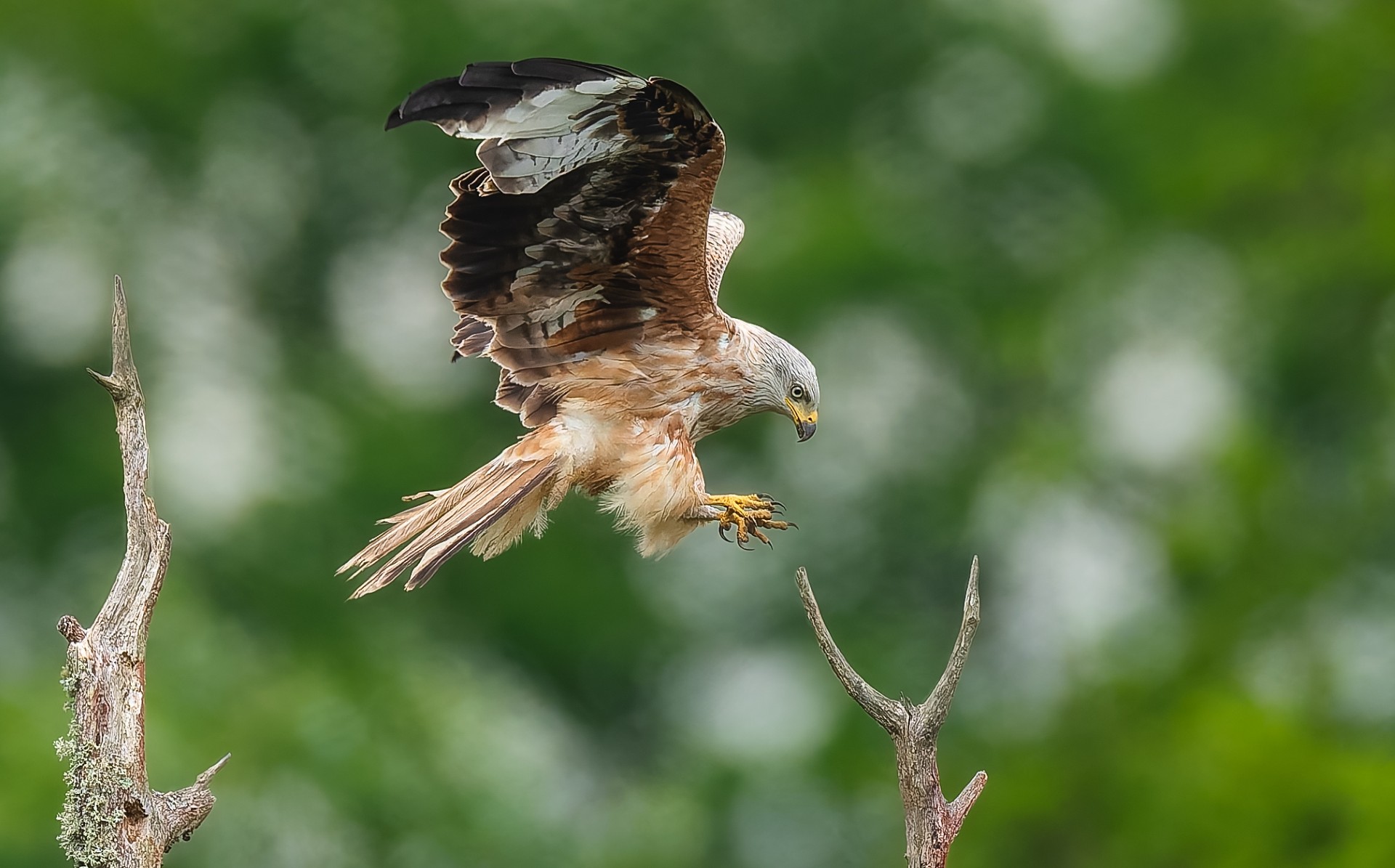
These beautiful birds have a reddish-brown body and distinctive forked tail (which gives them their name). They use their tail as a rudder to steer and make small adjustments as they fly, and their wingspan reaches 185cm – roughly similar to a white stork.
Persecuted by gamekeepers and farmers – as well as egg collectors – down the centuries, the kites were almost entirely wiped out from Britain. Ridding the landscape of predators like red kites is one of the reasons the UK is now so deprived of wildlife. Animals at the top of the food chain help keep ecosystems in balance. With red kites, buzzards, goshawks, sparrowhawks, ravens and tawny, short-eared and long-eared owls back in our skies at Knepp, common corvids (crows, rooks and magpies) no longer have the freedom of the skies. A naturally stressful ‘airscape of fear’ has reasserted itself. The knock-on effect is the release of pressure further down the food chain.
It’s not always easy for White Stork Project staff and volunteers to see stork chicks being targeted by red kites, and sometimes ravens and crows. But it is encouraging to see how quickly and effectively the storks have responded. They’re now nesting closer together – sometimes three nests to one tree. And when a predator appears – and this includes a white-tailed eagle, which now, to our delight, regularly visits Knepp – the storks warn each other by bill-clattering and, if necessary, rallying to harass it in the air.
If there are eggs or chicks, one parent will stay on the nest and the other will join the group to mob the intruder. Often, the first clue that a white-tailed eagle is around (also known as the ‘flying barn door’ for its 250cm wingspan) is dozens of storks in the sky.
This behaviour shows that Knepp’s white stork colony is growing in maturity. As the storks become more confident at resisting predators, and as their numbers continue to rise, their nests will begin to space out again.
We hope, one day, the storks will create breakout colonies elsewhere. And those, too, will need to learn how to deal with predators.